
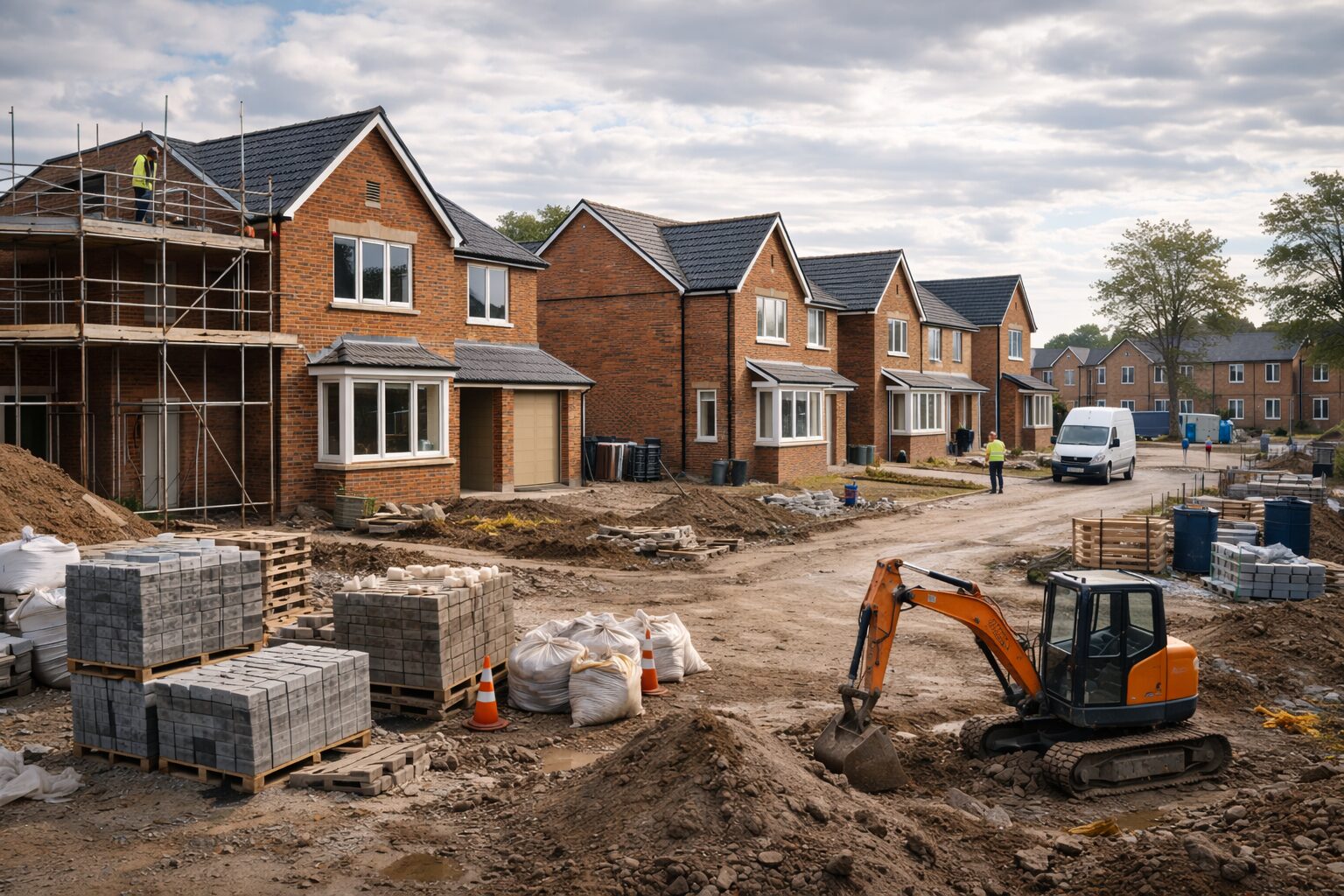
Development Finance: Fund Property Development Projects with Staged Drawdowns
Development finance provides staged funding for property development projects, typically released in phases as the build progresses. It can be used to fund construction costs, refurbishment works, conversions and ground-up developments. Wise Commercial Finance Limited helps developers and businesses access specialist development finance lenders, with clear guidance on costs, drawdowns, and lender requirements.
What it is
Specialist funding for property development projects with staged drawdowns
Best for
Refurbishments, conversions, new builds and multi-unit developments
Typical terms
6–24 months (varies by project and lender)
Typical amounts
£100,000 to £20,000,000+ (depending on project scale)
Speed
Depends on valuation, diligence and legal process
Security required
Typically, property and site security
Repayment type
Often interest rolled-up (sometimes serviced monthly)
What is development finance?
Development finance is a specialist form of property finance designed to fund the build costs of a development project. Unlike a standard mortgage or bridging loan, development finance is usually released in staged payments (drawdowns) as the project progresses.
A development finance facility typically covers:
- land purchase (in some cases)
- build costs released in stages
- sometimes professional fees and contingency (depending on lender)
Development finance is often used by developers, builders and property investment companies for projects where funding is needed throughout the construction phase.
What you’ll usually need
- Project appraisal or summary
- Development schedule and timescales
- Build costings and contractor details
- Planning status (approved/outline/changes)
- Valuation and GDV assessment
- Exit strategy (sale, refinance, retained portfolio)
- Bank statements and proof of funds (deposit / contingency)
How development finance is structured
Development finance is usually assessed using:
Gross Development Value (GDV)
The estimated value of the completed development.
Loan-to-GDV (LTGDV)
How much the lender will advance based on GDV.
Loan-to-Cost (LTC)
How much of the development costs the lender will fund.
Staged drawdowns
Funds are released in phases following monitoring inspections, reducing lender risk and aligning funding to progress.
Costs & Pricing
Development finance costs vary widely depending on project risk, location, borrower experience, planning status, GDV, and build schedule.
Typical costs may include:
- Interest (often calculated monthly)
- Arrangement fees
- Valuation fees
- Monitoring surveyor fees
- Legal fees
- Sometimes exit fees, depending on lender
Some facilities are structured with rolled-up interest, meaning interest is added to the loan and repaid at the end of the term. Others may be serviced, meaning interest is paid monthly.
Wise Commercial Finance Limited will explain these costs clearly, so you understand the total cost and cashflow impact before proceeding.
How development finance works
1
You provide project details (site, costings, schedule, exit strategy)
2
The lender assesses the deal and values the project
3
The lender issues a funding offer based on GDV and costings
4
Funds are released at completion and then through staged drawdowns
5
Monthly monitoring checks confirm progress and trigger further drawdowns
6
The loan is repaid through sale or refinance at the end of the term
Worked examples (estimates)
Example 1 — Refurbishment project
A developer funds refurbishment works and improvement costs, with staged drawdowns released as work is completed.
Example 2 — Conversion project
Funding structured for a conversion (e.g., commercial to residential), with drawdowns linked to milestone stages and a refinance exit.
Example 3 — Ground-up development
A multi-unit development funded with staged drawdowns, with repayment planned via unit sales on completion.
Eligibility
Development finance is generally suitable where:
- You have a clear development plan and costings
- Planning status is clear (or a credible route to permission is in place)
- You have sufficient deposit and contingency funding
- The project has a strong GDV and exit plan
- Borrower experience is strong, or a suitable contractor team is in place
Lenders often assess borrower experience and project feasibility as strongly as security.
Benefits and alternatives
Benefits
- Specialist funding designed for development projects
- Staged drawdowns aligned to build progress
- Can fund larger projects than standard lending
- Often structured with rolled-up interest to support cashflow
- Suitable for refurbishment, conversions and new builds
Alternatives
- Bridging finance (for simpler or shorter-term projects)
- Commercial mortgages (for completed/income-producing assets)
- Joint venture funding
- Private investment
- Smaller staged projects funded through other borrowing methods
Frequently Asked Questions
What is the difference between development finance and bridging finance?
What is the difference between development finance and bridging finance?
Development finance is designed specifically to fund construction or refurbishment costs through staged drawdowns. Bridging finance is usually simpler and is designed as short-term borrowing secured against property, typically not structured to fund staged build costs.
In general:
- Bridging finance: short-term, simpler, often faster, usually one lump sum
- Development finance: staged funding, monitoring, more diligence, designed for build projects
The best option depends on project complexity, build requirements, and lender criteria.
How much can I borrow with development finance?
How much can I borrow with development finance?
Borrowing amounts depend on:
- GDV (value of completed project)
- Development costs and schedule
- Your deposit and contingency
- Planning status
- Your experience and track record
Lenders often structure offers based on loan-to-GDV and loan-to-cost, and the final amount depends on lender appetite and risk assessment.
What deposit do I need for development finance?
What deposit do I need for development finance?
Most development finance lenders require a meaningful deposit to reduce risk and ensure the borrower has a stake in the project. Deposit levels vary, but lenders often expect the borrower to contribute:
- Part of land cost / purchase cost
- A contingency buffer
- Sometimes professional fees
We can advise on realistic deposit expectations once we understand the project and planning position.
Can development finance include the land purchase?
Can development finance include the land purchase?
Sometimes, yes. Particularly where the lender is comfortable with the deal and the land valuation supports it. However, many development finance deals focus mainly on build costs, with land funded via deposit or other facilities.
Some projects are funded using a structure that combines land finance and build finance into a single package, depending on lender and circumstances.
How do staged drawdowns work?
How do staged drawdowns work?
Staged drawdowns are released as the build progresses. Typically:
- An initial amount is released at completion
- Further funds are released at agreed stages
- A monitoring surveyor inspects progress and confirms work completed
- The lender releases the next drawdown based on progress and valuation
This approach ensures funding aligns with real construction progress.
Do I have to pay interest monthly?
Do I have to pay interest monthly?
Not always. Development finance can be structured as:
- rolled-up interest: interest is added to the loan and repaid at exit
- retained interest: a portion is held back and settled at exit
- serviced interest: interest is paid monthly
The best structure depends on cashflow, the project timeline, and lender criteria. Many developers prefer rolled-up interest to protect cashflow during build.
How long does it take to arrange development finance?
How long does it take to arrange development finance?
Development finance usually takes longer than standard borrowing because it involves valuation, monitoring setup, due diligence and legal work. Timescales depend on:
- How quickly documents are supplied
- Complexity of the deal
- Planning position
- Lender underwriting requirements
- Legal progress
If you have a deadline, we can help structure the enquiry and choose lenders based on feasibility and speed.
What planning status do I need?
What planning status do I need?
Planning requirements vary by lender and project type. Some lenders require full planning permission, while others may consider:
- Outline permission
- Permitted development rights
- Projects awaiting final approval (in some cases)
Lender appetite depends on risk and how likely permission is to complete. We can advise on lender approach based on your planning position.
Can first-time developers get development finance?
Can first-time developers get development finance?
Yes, but criteria may be tighter. Lenders often assess:
- The strength and feasibility of the project
- The contractor team and professional support
- Deposit and contingency
- Project location and market demand
- Whether you have relevant experience (even if not full developer track record)
First-time developers can improve their chances by presenting a strong appraisal, costings, and a credible contractor team.